
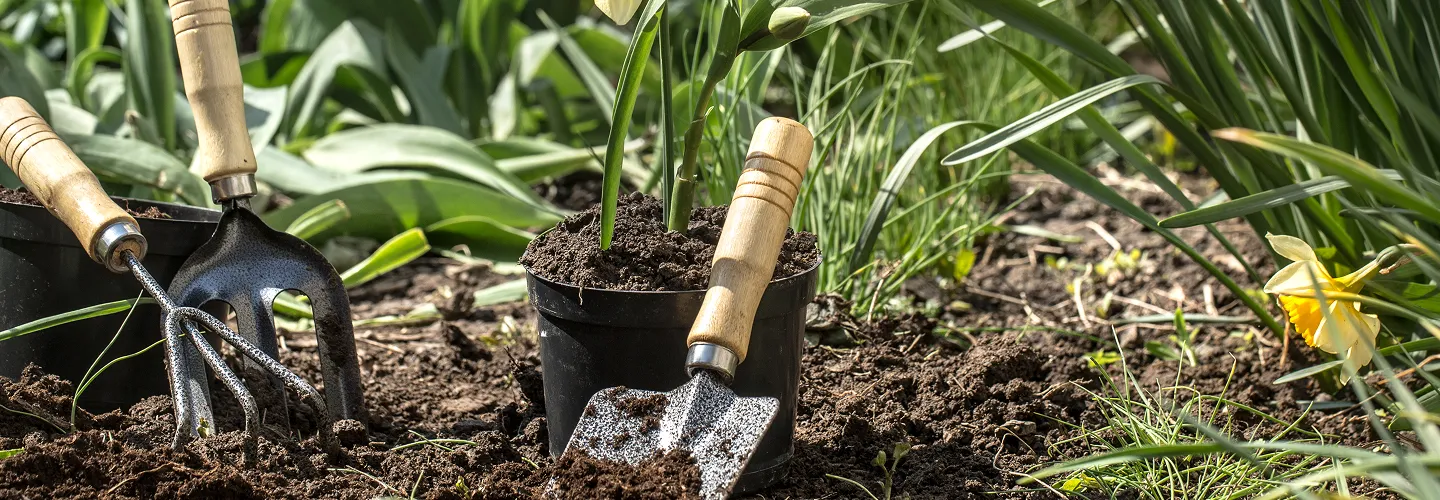
Southeast Arcadia Brush Removal Services
Choose our expert brush removal services for a cleaner, safer, and more beautiful property—our experienced team uses professional equipment to efficiently clear overgrowth, improve curb appeal, and reduce fire hazards, all while prioritizing your satisfaction.
Get a Free QuoteOur Southeast Arcadia Landscaping & Yard Care Services
When to Schedule Brush Removal in Southeast Arcadia, Florida – Seasonal Guide
In Southeast Arcadia, Florida, timing your brush removal is crucial for maintaining a healthy and attractive landscape. The region’s subtropical climate means that vegetation grows rapidly, especially during the warm, humid months. Optimal brush removal is typically scheduled in late winter to early spring, just after the last frost date and before the onset of the rainy season. This window allows for easier access to overgrown areas and minimizes the risk of disturbing nesting wildlife. Neighborhoods near Morgan Park and the Peace River often experience dense undergrowth due to high humidity and rich, loamy soils, making regular maintenance essential.
Local environmental factors such as drought risk in late spring, heavy summer precipitation, and varying shade coverage from mature oaks and palms all play a role in determining the best time for service. Homeowners in the Lake Suzy area, for example, may need to consider municipal restrictions or HOA guidelines before scheduling work. For more information on local regulations, visit the official town website.
Local Factors to Consider for Brush Removal in Southeast Arcadia
- Tree density and type (live oaks, palms, pines)
- Terrain and soil moisture levels
- Seasonal precipitation patterns
- Frost dates and temperature fluctuations
- Municipal or HOA restrictions
- Proximity to water bodies like the Peace River
- Risk of drought or fire hazards
Benefits of Brush Removal in Southeast Arcadia

Enhanced Curb Appeal
Improved Property Safety
Reduced Fire Hazards
Healthier Plant Growth
Increased Usable Space
Professional and Timely Service
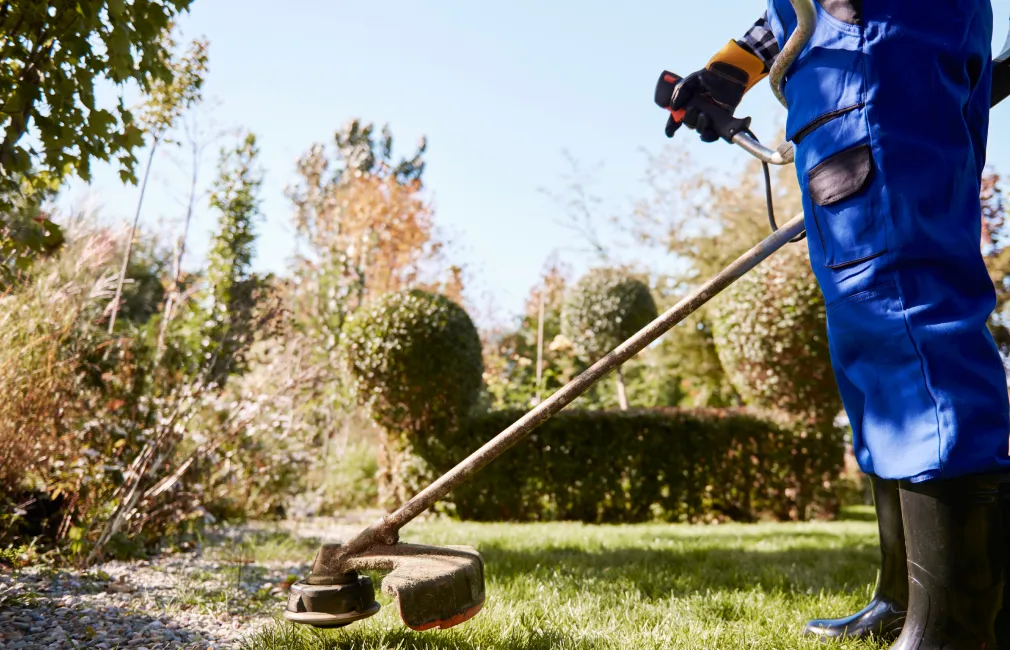
Southeast Arcadia Brush Removal Types

Manual Brush Clearing
-
Mechanical Brush Removal
-
Forestry Mulching
-
Controlled Burning
-
Chemical Brush Control
-
Selective Pruning
-
Stump Grinding
Our Brush Removal Process
Site Evaluation
Safety Preparation
Brush Clearing
Debris Removal
Final Inspection
Why Choose Southeast Arcadia Landscape Services
Southeast Arcadia Homeowners Trust Us
-
Comprehensive Lawn Maintenance
-
Reliable Irrigation Solutions
-
Expert Tree and Shrub Care
-
Seasonal Clean-Up Services
-
Competitive Pricing
-
Professional and Courteous Team
-
Satisfaction Guarantee
Coordinating Brush Removal With DeSoto County Public Works in Southeast Arcadia
Brush removal in Southeast Arcadia falls under DeSoto County's jurisdiction for vegetative debris handling, right-of-way clearance, and curbside collection protocols. Residents and property managers should verify current pickup schedules and bundling requirements directly with the county, as collection procedures for vegetative debris may differ from standard yard waste. Brush piles placed near roadside swales or drainage ditches must not obstruct stormwater flow or block access to culverts and inlets. When large-scale clearing is involved—such as after storm damage or during lot preparation—coordination with county departments helps ensure debris is routed to approved disposal sites rather than accumulating in rights-of-way or adjacent parcels.
- Confirm vegetative debris bundling and size limits with the county before placing brush curbside
- Avoid stacking brush over swale inlets, ditch banks, or drainage easements
- For large clearing projects, verify whether hauling to a county-approved facility is required
- Contact DeSoto County Road and Bridge for right-of-way clearance questions
DeSoto County Road and Bridge
Official Website: DeSoto County Road and Bridge
DeSoto County Engineering
Official Website: DeSoto County Engineering
How Southeast Arcadia's Inland Climate and Soils Shape Brush Removal Demands
Southeast Arcadia sits within Central Florida's inland peninsula, classified in USDA Hardiness Zone 9b–10a, where subtropical heat, high humidity, and a pronounced wet season from June through October drive rapid vegetative growth. The area's predominantly sandy, poorly drained soils—common across DeSoto County's flatwoods and prairie landscapes—allow brush species such as Brazilian pepper, wax myrtle, and saw palmetto to establish quickly in unmaintained areas. The high water table across much of the region means brush piles left on the ground can trap moisture, accelerate decay, and create habitat for pests. Seasonal thunderstorms and tropical weather events frequently generate broken limbs and downed understory material that must be cleared promptly to prevent drainage obstruction.
- Sandy soils with limited organic content allow fast root establishment of invasive brush species
- Wet-season rainfall averaging over 50 inches annually accelerates regrowth between clearing cycles
- High water table conditions make ground-level brush accumulation a drainage and pest concern
- Storm-generated debris can block swales, ditches, and retention areas if not removed quickly
Navigating Southeast Arcadia's Regulatory Framework for Brush Removal Compliance
Property owners in Southeast Arcadia should be aware that brush removal activities may intersect with multiple regulatory layers. DeSoto County's development and land-use codes may apply when clearing is part of site preparation, grading, or land-use changes; residents should confirm requirements through DeSoto County Development Services before beginning large-scale work. Brush removal near wetlands, floodplains, or conservation easements may trigger review under state environmental standards administered by the Florida Department of Environmental Protection. Under the federal Clean Water Act, sediment and vegetative debris must not be discharged into waters of the state, including canals, retention ponds, and stormwater conveyances. The Florida DEP NPDES Stormwater Program governs discharge prevention during land-disturbing activities.
- Verify whether clearing triggers site-development review through DeSoto County Development Services
- Brush removal adjacent to wetlands or floodplain areas may require environmental screening
- Debris must not enter canals, retention ponds, swales, or stormwater infrastructure
- Fire-risk reduction clearing near structures should align with guidance from the county; residents may consult the Florida County Forester Directory for forestry assistance
DeSoto County Fire Prevention Division
Official Website: DeSoto County Fire Prevention Division
Timing and Methods for Professional Brush Removal in Southeast Arcadia's Conditions
Professional brush removal in Southeast Arcadia must account for the region's intense summer heat, saturated soils during the wet season, and the rapid regrowth cycle of subtropical vegetation. The most effective clearing window typically falls during the late dry season—February through May—when soil moisture is lower, ground conditions support equipment access, and regrowth pressure has not yet peaked. During the wet season, saturated sandy soils can become unstable under heavy equipment, increasing the risk of rutting, erosion, and damage to adjacent drainage features. Operators should stage debris away from swales, canal banks, and retention areas to prevent material from washing into stormwater systems during afternoon thunderstorms.
- Schedule major clearing during the dry season when soil conditions are firmest and regrowth is slowest
- Use hand-clearing methods near canal edges, retention ponds, and environmentally sensitive buffers
- Chip or haul brush material promptly rather than leaving piles that trap moisture and attract pests
- Avoid operating heavy equipment on saturated soils to prevent compaction and erosion near drainage features
- Confirm disposal routing with the county to ensure material reaches an approved facility
What Neighborhoods Do We Serve Throughout Southeast Arcadia, FL?
- Nocatee area neighborhoods — Properties along the southeastern corridors near Nocatee often feature larger rural-residential lots with dense understory brush requiring periodic clearing to maintain access and reduce wildfire fuel loads.
- Kings Highway corridor — Parcels along and south of Kings Highway frequently border agricultural land and drainage ditches where brush encroachment can obstruct water flow and reduce roadside visibility.
- Peace River adjacent properties — Lots near the Peace River floodplain encounter rapid regrowth of native and invasive brush species due to high soil moisture and periodic flooding.
- Joshua Creek vicinity — Properties near Joshua Creek face brush accumulation along creek buffers and low-lying areas where drainage sensitivity requires careful debris management.
- Pine Level area — Older homesteads and ranchettes in the Pine Level area often require clearing of saw palmetto, wax myrtle, and volunteer hardwood brush across fence lines and pasture edges.
- SR 72 South corridor — Rural residential parcels along State Road 72 south of Arcadia's core frequently need brush removal along property boundaries, utility easements, and access roads.