
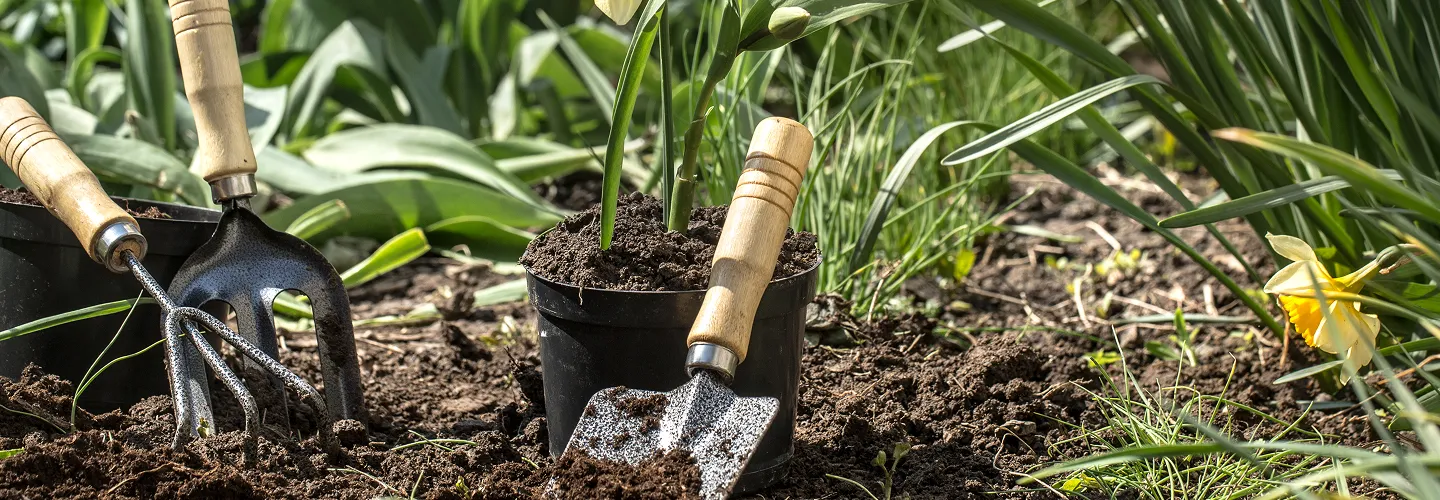
Southeast Arcadia Plant Removal Services
Choose our plant removal services for safe, thorough, and environmentally responsible solutions that restore your landscape’s beauty and health—handled by experienced professionals who care about your property.
Get a Free QuoteOur Southeast Arcadia Landscaping & Yard Care Services
When to Schedule Plant Removal in Southeast Arcadia, Florida – Seasonal Guide
In Southeast Arcadia, Florida, timing your plant removal is crucial for both the health of your landscape and compliance with local guidelines. The region’s subtropical climate means that the best periods for plant removal are typically late winter through early spring, just after the last frost date and before the onset of the rainy season. This window allows for easier root extraction and minimizes regrowth, especially in neighborhoods like Lake Suzy and around the Arcadia Municipal Airport, where soil moisture and shade coverage can vary significantly.
Local environmental factors such as high humidity, sandy soils, and the risk of drought during late spring and summer months play a significant role in determining the optimal removal schedule. For example, properties near Morgan Park or along the Peace River may experience higher soil moisture, which can facilitate easier removal but also requires attention to erosion control. Additionally, municipal restrictions and guidelines—available through resources like the Town of Sudbury’s website—should always be reviewed to ensure compliance with local ordinances.
Local Factors to Consider for Plant Removal in Southeast Arcadia
- Proximity to water bodies like Peace River, affecting soil saturation
- Tree density and shade coverage in neighborhoods such as Lake Suzy
- Typical frost dates and seasonal temperature shifts
- Risk of drought and local precipitation patterns
- Terrain variations, including sandy or clay-heavy soils
- Municipal restrictions and permit requirements
By considering these local factors, homeowners can ensure that plant removal is both effective and environmentally responsible, tailored to the unique landscape of Southeast Arcadia.
Benefits of Plant Removal in Southeast Arcadia
Expert Landscaping Services
Efficient Plant Removal
Improved Curb Appeal
Eco-Friendly Disposal
Customized Solutions
Licensed and Insured Team
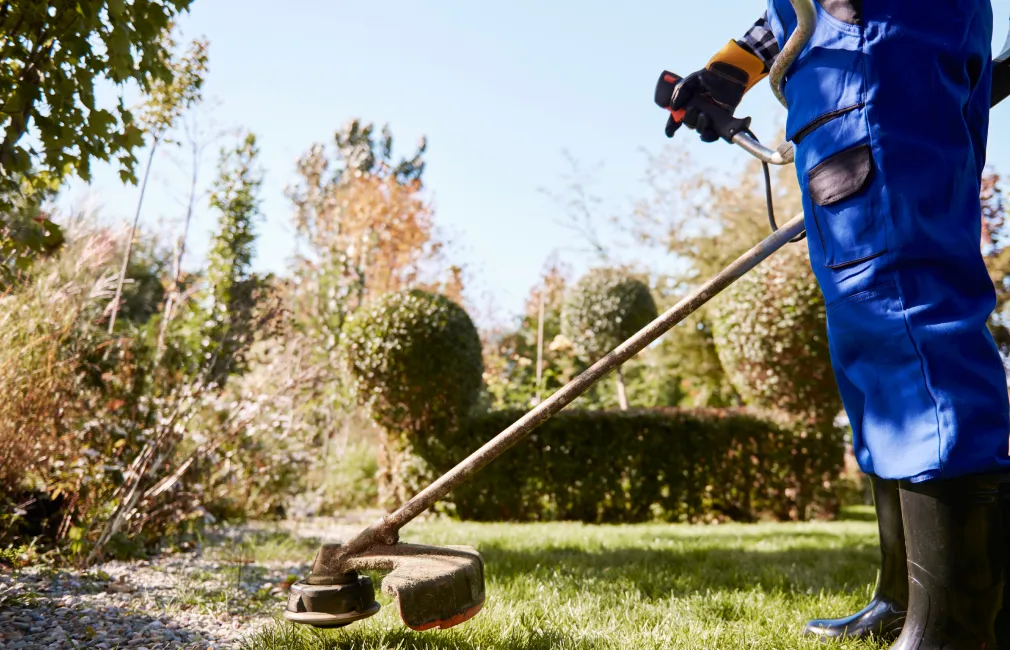
Southeast Arcadia Plant Removal Types

Tree Removal
-
Shrub Removal
-
Stump Grinding
-
Invasive Species Removal
-
Root System Extraction
-
Overgrown Vegetation Clearing
-
Hedge Removal
Our Plant Removal Process
Site Evaluation
Preparation and Safety Measures
Plant Uprooting
Debris Removal
Site Restoration
Why Choose Southeast Arcadia Landscape Services
Southeast Arcadia Homeowners Trust Us
-
Comprehensive Lawn Maintenance
-
Reliable Irrigation Solutions
-
Expert Tree and Shrub Care
-
Seasonal Clean-Up Services
-
Competitive Pricing
-
Professional and Courteous Team
-
Satisfaction Guarantee
Coordinating Plant Removal Disposal and Site Cleanup in Southeast Arcadia
Plant removal in Southeast Arcadia, FL, requires coordination with DeSoto County departments to ensure vegetative debris is handled properly and does not obstruct drainage infrastructure. When plants are removed from residential or commercial properties, the resulting root masses, stems, and soil material must be disposed of through approved channels. Property owners should verify current vegetative debris collection schedules and bundling or containerization requirements with the county before placing material curbside. For larger-scale removals—such as clearing overgrown lots or eliminating invasive species colonies—commercial hauling to an approved disposal facility may be necessary.
Key coordination steps include:
- Confirming whether removed plant material qualifies for routine yard waste pickup or requires separate bulk scheduling
- Ensuring no debris is deposited into roadside swales, drainage ditches, or canal rights-of-way
- Verifying that removal on properties adjacent to county roads or easements does not require advance notification through the Road and Bridge division
DeSoto County Road and Bridge
Official Website: DeSoto County Road and Bridge
DeSoto County Engineering
Official Website: DeSoto County Engineering
Residents should contact DeSoto County Engineering when plant removal involves grading changes, drainage rerouting, or disturbance near stormwater conveyance structures.
How Southeast Arcadia's Inland Soils and Wet Season Shape Plant Removal
Southeast Arcadia sits within Central Florida's inland peninsula zone, classified in USDA Hardiness Zone 9b, where subtropical heat, extended wet seasons, and sandy soils create distinct conditions for plant removal work. The area receives roughly 50–55 inches of annual rainfall, with the majority concentrated between June and September. This wet-season pattern directly affects plant removal logistics and site stabilization.
- Sandy, low-organic soils: The predominant soil profiles in the Arcadia area tend toward deep sands with limited organic content, meaning root systems of established shrubs and groundcovers often spread laterally rather than anchoring deeply, but sandy voids left after extraction are highly susceptible to erosion during heavy rain events
- High water table sensitivity: Portions of Southeast Arcadia sit in low-lying areas near the Peace River watershed, where seasonal water tables can rise close to the surface, complicating excavation of root balls and increasing the risk of sediment migration into nearby ditches and retention areas
- Rapid regrowth of invasive species: Subtropical humidity and warmth promote aggressive regrowth from species such as Brazilian pepper (Schinus terebinthifolia) and cogongrass (Imperata cylindrica), both of which can reestablish from root fragments left in disturbed soil
These conditions mean that incomplete removal or failure to stabilize exposed soil can lead to erosion, sediment discharge, and reinfestation within a single growing season. The UF/IFAS Gardening Solutions resource on protecting Florida's water resources provides guidance on preventing nutrient and sediment runoff during landscape disturbance activities.
Navigating Southeast Arcadia's Regulatory Framework for Plant Removal Projects
Plant removal in DeSoto County must comply with several layers of local, state, and federal environmental regulation. Property owners and contractors should be aware of the following compliance considerations:
- Stormwater and erosion control: Any plant removal that exposes bare soil near drainage conveyances, retention ponds, or canal banks may trigger requirements under the Florida DEP NPDES Stormwater Program and the federal Clean Water Act, particularly if the disturbed area exceeds one acre or contributes sediment to waters of the state
- Herbicide application licensing: When chemical treatment is used to kill root systems or prevent regrowth of invasive plants, the applicator must hold appropriate certification through the FDACS Pesticide Applicator Licensing program
- Development review: Plant removal conducted as part of site clearing for new construction or land-use changes may require review through DeSoto County Development Services to confirm compliance with land-use and zoning standards
- Wetland and buffer zones: Properties adjacent to wetlands, the Peace River corridor, or designated conservation areas may face additional restrictions; verify current requirements before removing vegetation in these sensitive zones
DeSoto County Development Services
Official Website: DeSoto County Development Services
The Florida Department of Environmental Protection oversees broader environmental compliance and can provide guidance on whether specific removal activities near waterways require state-level review or permitting.
Timing and Methods for Professional Plant Removal in Southeast Arcadia's Climate
Professional plant removal in Southeast Arcadia should be timed and executed with attention to the region's subtropical climate cycle and soil behavior. The following standards reflect sound practice for this inland Florida environment:
- Dry-season removal (November through May) is generally preferred because lower water tables, reduced rainfall, and firmer soil conditions allow for cleaner extraction of root systems and easier site stabilization afterward
- Wet-season removal requires immediate erosion control measures such as silt barriers, temporary ground cover, or mulch blankets to prevent sediment from washing into swales, ditches, or retention systems during afternoon thunderstorms
- Root-zone excavation should account for the lateral spread common in sandy soils; incomplete removal of root material from species like Brazilian pepper or earleaf acacia can result in vigorous resprouting within weeks
- Site stabilization after removal should include backfilling voids with clean fill, compacting to match surrounding grade, and establishing temporary or permanent ground cover to prevent erosion and weed colonization
When herbicides are applied to cut stumps or root zones to prevent regrowth, application must occur in accordance with Florida Statutes Chapter 487 governing pesticide use and safety. Operators should avoid application immediately before forecast rain events to minimize the risk of chemical runoff into nearby water features. For properties near parks or public greenways, coordination with DeSoto County Parks and Recreation may be appropriate to ensure removal activities do not affect adjacent public landscapes.
DeSoto County Parks and Recreation
Official Website: DeSoto County Parks and Recreation
What Neighborhoods Do We Serve Throughout Southeast Arcadia, FL?
- Nocatee area: Properties in and around the Nocatee community south of Arcadia's core often feature larger rural-residential lots where overgrown vegetation and invasive plant colonies require systematic removal and disposal coordination with county services.
- Peace River corridor properties: Homes and parcels along the Peace River's southeastern reach face heightened sensitivity to erosion and sediment discharge, making proper root-zone stabilization after plant removal essential.
- Kings Highway corridor: Residential and mixed-use properties along the SR 769 / Kings Highway corridor encounter roadside swale proximity and right-of-way considerations that affect where removed plant material can be staged and how debris is transported.
- Oak Park and surrounding subdivisions: Established neighborhoods with mature landscaping often require selective removal of declining ornamental plants or invasive species that have encroached into hedgerows and foundation plantings.
- Southeast agricultural-residential transition areas: Properties at the edge of active citrus groves and cattle land frequently deal with aggressive volunteer vegetation and nuisance species that migrate from adjacent undeveloped parcels.