
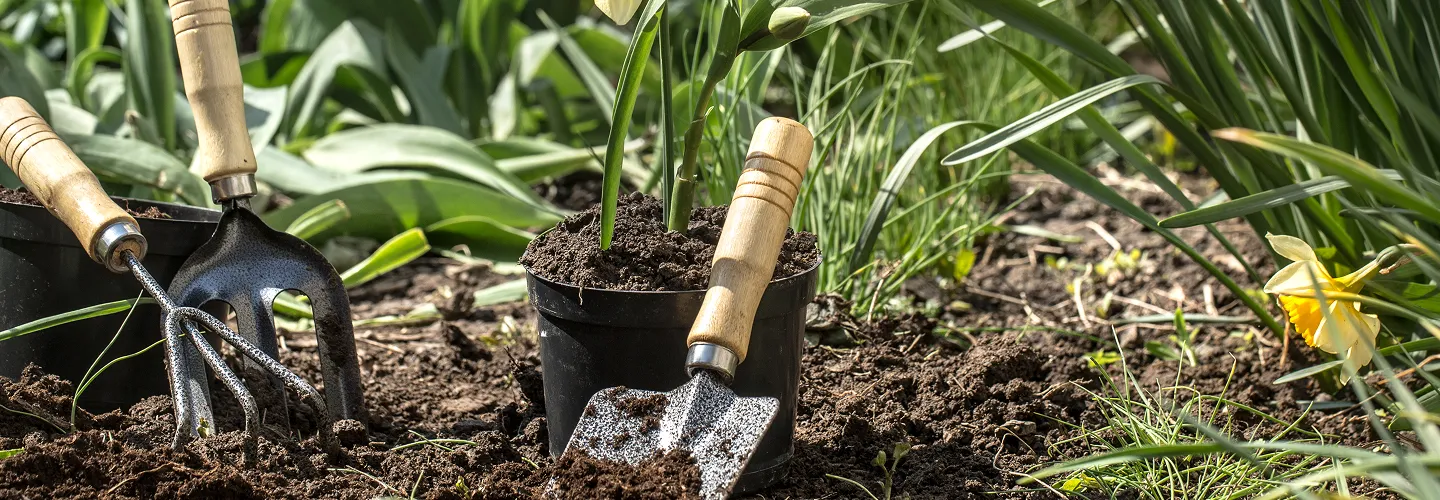
Southeast Arcadia Sod Installation Services
Choose our sod installation for a hassle-free transformation—enjoy instant curb appeal, professional service, and a healthy, vibrant lawn that thrives in Southeast Arcadia’s climate.
Get a Free QuoteOur Southeast Arcadia Landscaping & Yard Care Services
When to Schedule Sod Installation in Southeast Arcadia, Florida – Seasonal Guide
In Southeast Arcadia, Florida, timing your sod installation is crucial for achieving a lush, resilient lawn that thrives year-round. The region’s subtropical climate, characterized by warm temperatures, high humidity, and distinct wet and dry seasons, means that late spring through early fall is generally the best window for new sod. During these months, soil temperatures are optimal for root establishment, and rainfall is more consistent, reducing the need for supplemental irrigation. Neighborhoods near DeSoto Memorial Hospital or along the Peace River often experience microclimates—such as increased shade from mature oaks or sandy soils—that can influence the ideal installation period.
Local environmental factors like the last frost date (typically in early February), summer drought risk, and the prevalence of shade from tree canopies in areas like Lake Suzy Estates all play a role in determining the best time for sod installation. It’s also important to consider municipal watering restrictions and soil composition, which can vary between historic downtown Arcadia and newer developments. For more information on local regulations and best practices, visit the official municipal resource.
Local Factors to Consider for Sod Installation in Southeast Arcadia
- Tree density and shade coverage, especially in established neighborhoods
- Soil type (sandy vs. loamy) and drainage characteristics
- Seasonal precipitation patterns and drought risk
- Proximity to water bodies like the Peace River, which can affect humidity and soil moisture
- Municipal watering restrictions and local ordinances
- Terrain slope and potential for runoff or erosion
Benefits of Sod Installation in Southeast Arcadia
Instant Green Lawns
Erosion Control
Weed Reduction
Enhanced Curb Appeal
Improved Soil Quality
Professional Installation Team
Southeast Arcadia Sod Installation Types

St. Augustine Grass Installation
-
Bermuda Grass Sod Installation
-
Zoysia Grass Sod Installation
-
Centipede Grass Sod Installation
-
Bahia Grass Sod Installation
-
Fescue Grass Sod Installation
-
Hybrid Sod Installation
Our Sod Installation Process
Site Preparation
Soil Grading
Sod Delivery
Sod Laying
Watering and Rolling
Why Choose Southeast Arcadia Landscape Services
Southeast Arcadia Homeowners Trust Us
-
Comprehensive Lawn Maintenance
-
Reliable Irrigation Solutions
-
Expert Tree and Shrub Care
-
Seasonal Clean-Up Services
-
Competitive Pricing
-
Professional and Courteous Team
-
Satisfaction Guarantee
Coordinating Sod Installation Projects with DeSoto County Development and Engineering Services
Property owners in Southeast Arcadia planning sod installation should coordinate with DeSoto County's development and engineering offices before beginning subgrade preparation, particularly on parcels that involve grading changes, drainage modifications, or work near county-maintained swales and rights-of-way. DeSoto County Development Services handles site work review and can advise whether a proposed sod installation triggers any land-use or development compliance requirements based on the scope and location of the project. For installations that alter existing drainage flow or involve regrading near roadside swales, ditches, or stormwater conveyance features, DeSoto County Engineering provides guidance on maintaining proper surface water routing and avoiding interference with county infrastructure.
- Confirm whether your parcel falls within a floodplain or drainage easement before grading
- Verify that proposed irrigation connections comply with DeSoto County Utilities requirements
- Coordinate with the county if sod installation borders a public right-of-way or county-maintained swale
DeSoto County Development Services
201 E. Oak Street, Suite 201, Arcadia, FL 34266
Official Website: DeSoto County Development Services
DeSoto County Engineering
201 E. Oak Street, Arcadia, FL 34266
Official Website: DeSoto County Engineering
How Southeast Arcadia's Inland Soils and Wet-Season Rainfall Affect Sod Installation
Southeast Arcadia sits within Central Florida's inland peninsula region, classified in USDA Hardiness Zone 9b, where subtropical heat, high humidity, and a pronounced wet season from roughly June through October define the growing environment. The area's soils are predominantly sandy and well-drained in upland positions but can shift to poorly drained, organic-rich profiles in low-lying areas near the Peace River corridor and adjacent agricultural drainage features. These conditions directly influence sod installation outcomes:
- Rapid drainage in sandy soils causes newly laid sod to dry out quickly, demanding frequent irrigation during the first two to three weeks of establishment
- Seasonal saturation in low areas can prevent root anchoring and promote fungal disease if sod is installed during peak wet-season rainfall without adequate surface grading
- High summer temperatures routinely exceeding 90°F increase heat stress on freshly harvested sod, making morning delivery and same-day installation critical
- Nutrient leaching through sandy profiles means that starter fertilizer applications must be carefully timed and applied at conservative rates to prevent runoff into nearby swales, ditches, and retention areas
Residents can reference the USDA Web Soil Survey to identify the specific soil series present on their parcel before beginning subgrade preparation.
Navigating Southeast Arcadia's Regulatory Requirements for Sod Installation Compliance
Sod installation in Southeast Arcadia falls under DeSoto County's land development and environmental compliance framework. While routine residential sod replacement on an existing lawn area typically does not require a standalone permit, projects that involve significant regrading, new irrigation system installation, or work within designated floodplain zones may trigger review through DeSoto County Building Services. Property owners should verify current requirements with the county before beginning work that alters site drainage patterns.
- Any pesticide or herbicide application during site preparation must be performed by individuals holding valid certification through the FDACS Pesticide Applicator Licensing program
- Fertilizer applied during or after sod installation should follow guidance consistent with Florida Statutes §403.9337, which establishes the model ordinance framework for Florida-Friendly fertilizer use on urban landscapes
- Stormwater discharge from irrigation runoff during sod establishment must not carry sediment, soil amendments, or fertilizer into county drainage infrastructure; the Florida DEP NPDES Stormwater Program governs discharge standards that apply to disturbed land surfaces
- Watering restrictions may vary by water management district schedule and drought stage; property owners should confirm current irrigation allowances with DeSoto County Utilities before establishing a post-installation watering regimen
Timing and Professional Standards for Sod Installation in Southeast Arcadia's Climate
Successful sod installation in Southeast Arcadia depends on aligning subgrade preparation, turf selection, and irrigation scheduling with the area's subtropical climate patterns. The following professional standards apply to installations in this inland DeSoto County environment:
- Turf selection: St. Augustinegrass (including Floratam and CitraBlue cultivars), bahiagrass, and zoysiagrass are the most regionally appropriate warm-season turf options; selection should account for sun exposure, intended use, and irrigation capacity, consistent with UF/IFAS lawn guidance
- Optimal installation timing: Late spring through early summer provides the strongest rooting window, as warm soil temperatures and increasing rainfall support rapid establishment; avoid installation during the coolest months when root growth slows significantly
- Subgrade preparation: Remove all existing vegetation, debris, and rocks; grade the surface to direct water away from structures and toward designated drainage features; compact lightly to eliminate air pockets without creating an impervious layer
- Irrigation uniformity: Ensure sprinkler coverage reaches all edges and corners of the sodded area; newly installed sod typically requires watering multiple times daily during the first week, tapering over the following two to three weeks as roots anchor into the subgrade
- Runoff-safe watering: Apply water in shorter cycles to allow absorption rather than surface runoff, particularly on sloped areas or parcels adjacent to swales and retention features
Sod should be installed the same day it is harvested and delivered, as heat exposure on pallets can cause irreversible damage within hours during Southeast Arcadia's summer months. Refer to UF/IFAS Lawn Maintenance and Care for post-installation mowing height and fertilization timing guidance.
What Neighborhoods Do We Serve Throughout Southeast Arcadia, FL?
- Nocatee area: Properties in this community south of Arcadia's core often feature larger rural-residential lots with sandy soils and limited municipal irrigation infrastructure, requiring well-based watering plans for sod establishment
- Peace River corridor parcels: Lots adjacent to the Peace River and its tributaries may sit within floodplain zones with higher water tables and organic-rich soils, demanding careful grading and drainage verification before sod placement
- Kings Highway corridor: Residential properties along and near this corridor tend toward standard subdivision lot sizes with compacted fill soils from development, often requiring soil amendment and decompaction prior to sod installation
- Oak Park and surrounding subdivisions: Established neighborhoods with mature tree canopy create significant shade conditions that influence turf species selection, favoring shade-tolerant St. Augustinegrass cultivars over sun-dependent bahiagrass
- Southeast agricultural-transition parcels: Properties on former agricultural land may retain compacted or chemically altered soil profiles that benefit from thorough soil testing and subgrade correction before new sod is laid